
How to Clean a Washing Machine and Remove Odors?
It is easy to assume that because a washing machine constantly deals with water and soap, it cleans itself with every cycle. However, modern high-efficiency washers often develop a musty, moldy smell over time. Residue from liquid detergents, fabric softener build-up, and trapped moisture combine to create the perfect breeding ground for mildew.
Knowing how to properly clean, descale, and deodorize your washing machine keeps your clothes smelling genuinely fresh and extends the lifespan of your appliance.
Quick answer: how to clean a washer that smells bad
If your washing machine has developed an unpleasant odor, restore it with a thorough top-to-bottom refresh:
- Target Key Zones: Clean the inner drum, the rubber door gasket, the detergent dispenser tray, and the lower drain filter.
- Run a Maintenance Cycle: Run a hot cleaning cycle using a specialized washer cleaner, white vinegar, or baking soda.
- Control Moisture: Always leave the washing machine door or lid open after a load finishes to let the interior dry out completely.
(Maintaining clean kitchen and laundry appliances is a core part of household upkeep. As you tackle your laundry room, be sure to check out our upcoming guides on how to clean your dishwasher and refrigerator to complete your appliance maintenance routine).
Why washing machines develop odors
Detergent residue
Liquid laundry detergents contain thick binding agents and surfactants. When used in excessive amounts, these residues don't fully dissolve; instead, they coat the inner drum and pipes, trapping lint and organic material.
Fabric softener buildup
Fabric softeners leave behind a waxy, petroleum-based coating on clothes, but they also leave a sticky film inside your washer's drum and dispensing drawers, which quickly feeds mold growth.
Moisture trapped in rubber seals
Front-load washers rely on tight rubber door gaskets to prevent leaks. Unfortunately, these folds easily trap standing water, pet hair, and lint long after a cycle finishes.
Lint and debris in filters
Drain pumps and lower maintenance filters capture coins, lint, and pet fur. If left unchecked, decomposing debris creates foul, sulfur-like odors.
How to clean a front-load washing machine
Clean the rubber gasket
Where mildew and lint usually hide
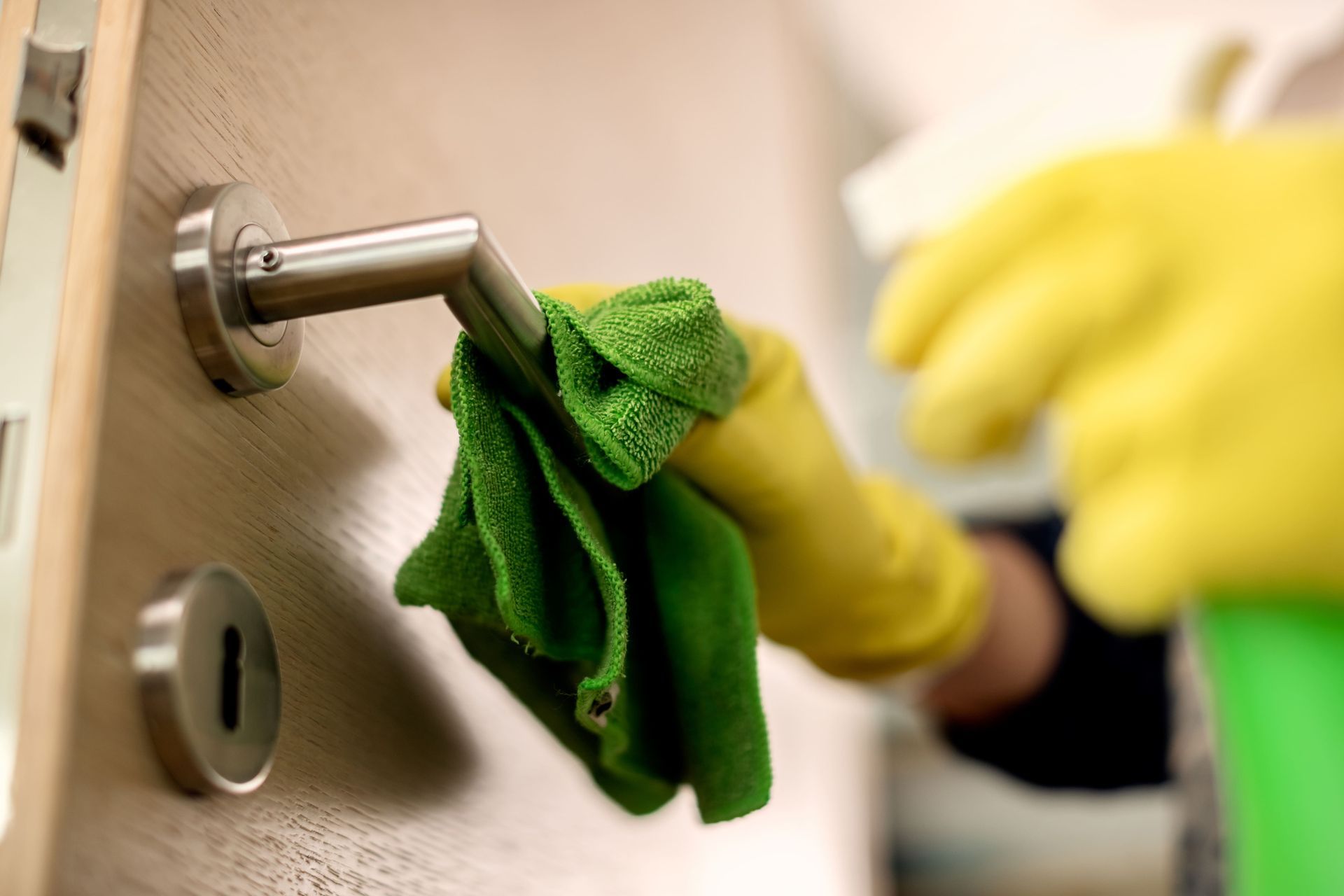
Pull back the folds of the rubber door seal gently. You will often find dark mold spots, hair, and slimy lint residue trapped inside. Wipe out the folds thoroughly using a mixture of warm water and dish soap, or a mild mildew-removing spray, then dry it completely with a microfiber cloth.
Remove and wash the detergent dispenser
Slide out the detergent drawer completely (most models have a small release tab). Wash it in your sink with warm, soapy water, using a small brush to scrub away dried powder or sticky fabric softener buildup in the corners.
Run the correct cleaning cycle
Many modern front loaders feature a specialized "Tub Clean" setting. Add a washing machine cleaner tablet or a cup of white vinegar directly into the drum and run a hot water cycle.
What to check in the owner manual before using cleaners
Always consult your appliance owner's manual before mixing cleaning agents. Some manufacturers advise against using harsh bleach or heavy vinegar concentrations to protect rubber hoses and manufacturer warranties.
How to clean a top-load washing machine
Clean the drum, lid, rim, and agitator area
Top-loading machines are less prone to severe gasket mold, but they still accumulate grime around the top rim, underside of the lid, and the center agitator base. Wipe these areas down with a sponge and all-purpose cleaner. Run a hot cycle with vinegar or a specialized washing machine tablet, pausing the cycle halfway through if possible to let the solution soak for 30 minutes before completing the wash.
Wipe the outside controls and high-touch surfaces
Wipe down the exterior control panel, power buttons, and soap residue splatters on the outer housing to keep the entire appliance looking polished.
How to prevent washing machine odors
- Use the Right Amount of Detergent: High-efficiency (HE) machines require very little soap. Using too much creates excess suds and residue buildup.
- Let the Washer Dry Between Loads: Leave the door or lid propped open an inch or two after every wash to allow air circulation and evaporation.
- Clean Monthly in Busy Households: Run a quick maintenance wipe-down and monthly cleaning cycle to prevent odors before they start.
When professional house cleaning can help
Laundry room cleaning, appliance exteriors, floors, and surrounding dust control
While maintaining the internal mechanics of your washing machine is up to you, managing the rest of your laundry space requires constant effort. Partnering with a professional cleaning service ensures appliance exteriors, lint-prone floor corners, utility sinks, and surrounding room dust are expertly maintained, keeping your entire home immaculate.
FAQ
Why does my washing machine smell bad?
Your washing machine smells bad because leftover detergent residue, fabric softener film, and trapped moisture combine inside the drum, warm hoses, and rubber seals to grow mold and mildew.
How often should you clean a washing machine?
You should run a deep-cleaning maintenance cycle and wipe down the rubber seals and detergent drawer at least once a month.
Can you use vinegar in a washing machine?
Yes. White vinegar is a fantastic natural cleaner and deodorizer for washing machines. Pour two cups of white vinegar directly into the drum and run a hot cycle to break down mineral scale and eliminate odors.
How do you clean the rubber seal on a washer?
Pull back the rubber folds of a front-load washer door seal, spray a mixture of water and mild dish soap (or a safe mold cleaner), scrub away buildup with a soft brush or cloth, and dry it thoroughly.